Club de Madrid convened the Global Commission on Democracy and Multilateralism to examine how multilateral cooperation can help protect, strengthen and renew democracy. The Commission was established at a time when democratic institutions and public trust are under pressure, while multilateral cooperation is weakening despite the need for collective action on global challenges. Its work also explored how stronger, more responsive democracies can help sustain and renew the multilateral system.
Chaired by George Papandreou, Prime Minister of Greece (2009-2011), the Commission brought together nineteen members from all regions and a range of political, institutional and professional backgrounds. Its Vice-Chairs were Kevin Casas-Zamora, Secretary-General of International IDEA, and Aminata Touré, former Prime Minister of Senegal (2013-2014). The Commissioners included former Presidents and Prime Ministers Michelle Bachelet, Laura Chinchilla, Dalia Grybauskaitė, Stefan Löfven, Danilo Türk, Francisco Sagasti and Mokgweetsi Masisi, alongside Martín Abregú, Elizabeth Cousens, Dino Patti Djalal, Aidan Eyakuze, Obiageli “Oby” Ezekwesili, Stephen B. Heintz, Věra Jourová, Susana Malcorra and Pratap Bhanu Mehta. Together, they brought experience from international organisations, civil society, philanthropy and academia.
Ted Piccone served as the Commission’s Content Director. Its substantive work was organised through three expert Working Groups, led by its main content partners: International IDEA, the European Democracy Hub and the Open Government Partnership. They examined three complementary levels of cooperation: the United Nations system, regional organisations and plurilateral initiatives. Over the course of a year, the Working Groups reviewed research, consulted experts and practitioners, and developed proposals for strengthening democratic cooperation. Their reports are published alongside the Commission’s main report. The initiative was made possible with support from the Ford Foundation, the Robert Bosch Stiftung and the Swiss Federal Department of Foreign Affairs.
The report examines how cooperation at global, regional and plurilateral levels can work together to strengthen democracy at a time of democratic retrenchment and declining trust. It puts forward four broad directions for action: supporting democracy that delivers both tangible improvements in people’s lives and the guarantees of freedom, dignity and justice; democratising multilateral decision-making; investing strategically in plurilateral cooperation; and addressing the concentration of economic, technological and political power. It also develops recommendations across five thematic priorities: digital technologies and artificial intelligence; constitutions, checks and balances and the rule of law; electoral integrity; corruption; and equality and civil rights. The report is intended as a basis for continued engagement, advocacy and reform.
List of Commissioners
Report of the Global Commission
Report
Democracy and Multilateral Cooperation: Revitalizing International Support for Democratic Renewal
Working Groups
Working Group 1
Revitalising Support for Democracy within the United Nations System
Led by International IDEA, this Working Group examined how the United Nations can strengthen and protect democracy within its broader work on peace and security, human rights and sustainable development. It assessed the UN’s existing contribution through electoral assistance, constitutional and rule-of-law support, human rights monitoring, peacebuilding, anti-corruption efforts and programmes that promote civic participation and inclusion. The report also considers the UN’s institutional constraints and sets out proposals to strengthen its role, including better coordination across the UN system, stronger support for democratic resilience, greater participation by parliaments, civil society and citizens, and a more explicit place for democracy in the post-2030 development agenda.
Working Group 2
Reinforcing Democratic Norms through Regional Mechanisms
Led by the European Democracy Hub, this Working Group examined how regional organisations in the Americas, Africa, Asia and Europe support democratic governance. It assessed their mandates, political commitments and practical tools in areas including electoral integrity, civic and digital rights, anti-corruption, the rule of law and responses to constitutional breakdown. The report highlights the value of regional action, which can bring greater legitimacy and closer knowledge of local political contexts, while also recognising the constraints created by political divisions, limited resources and the presence of non-democratic governments within regional organisations. Its recommendations include stronger democracy funding, more effective electoral missions, greater support for young democratic actors and civil society, and closer cooperation and learning across regions.
Working Group 3
Innovating Democratic Cooperation through Plurilateralism
Led by the Open Government Partnership, this Working Group explored how smaller coalitions of states and other actors can complement universal and regional institutions in supporting democracy. It examined when plurilateral cooperation can help coordinate action, develop standards, share information, test practical solutions and build momentum where broader consensus is blocked. It also considered the risks of fragmentation, duplication, exclusion and weak accountability. Drawing on existing initiatives across the fields covered by the Commission, the report proposes principles for more effective plurilateral cooperation, including transparency, accountability, consistency with international law and human rights, durable support, and broader regional ownership and participation, particularly from Africa and the wider Global South.
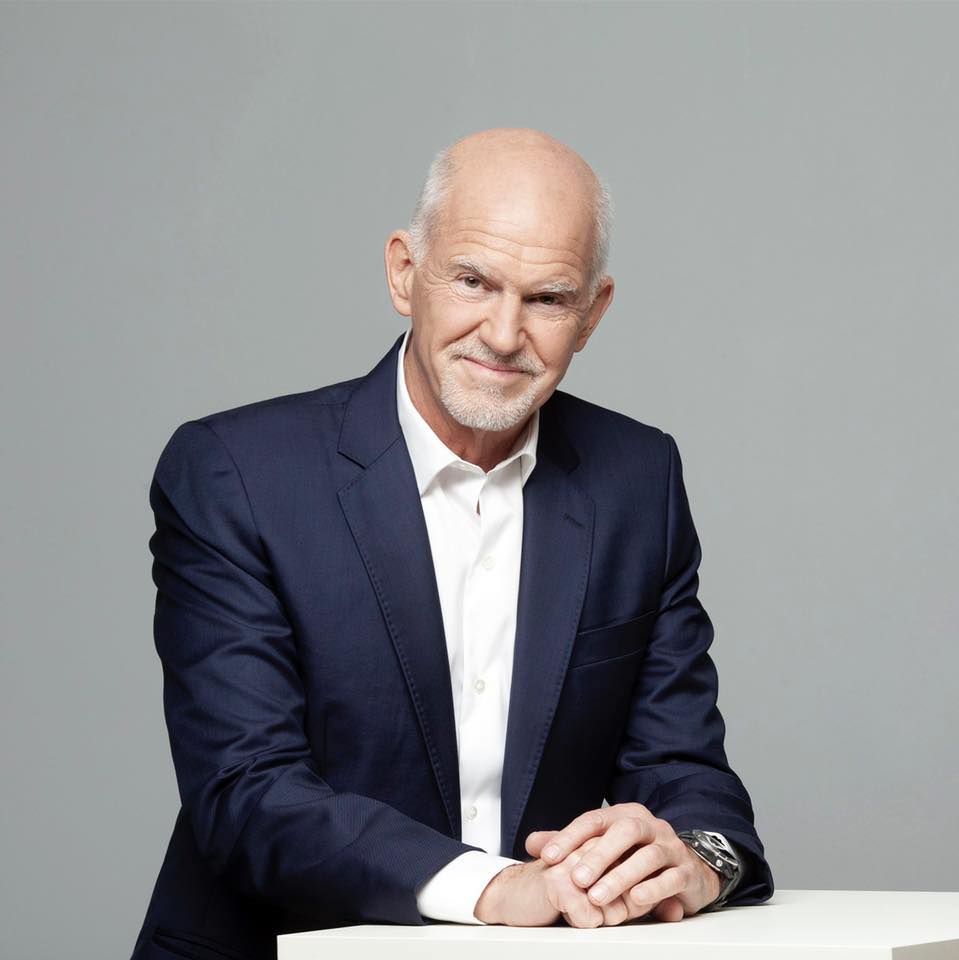
George Papandreou, Chair of the GCDM
Prime Minister of Greece (2009-2011), Club de Madrid Member
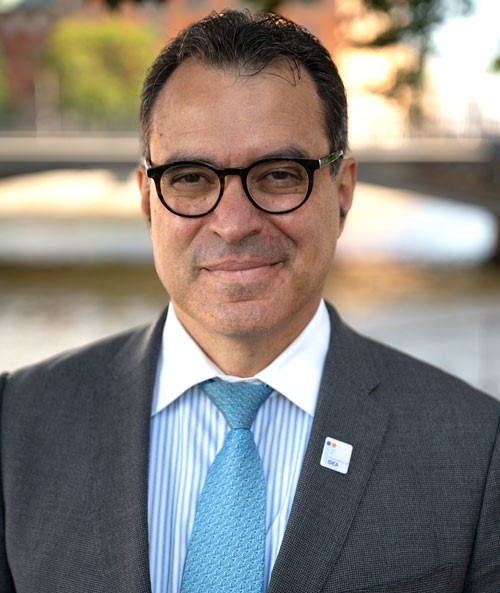
Kevin Casas-Zamora, Vice Chair of the GCDM
Secretary General, International IDEA,
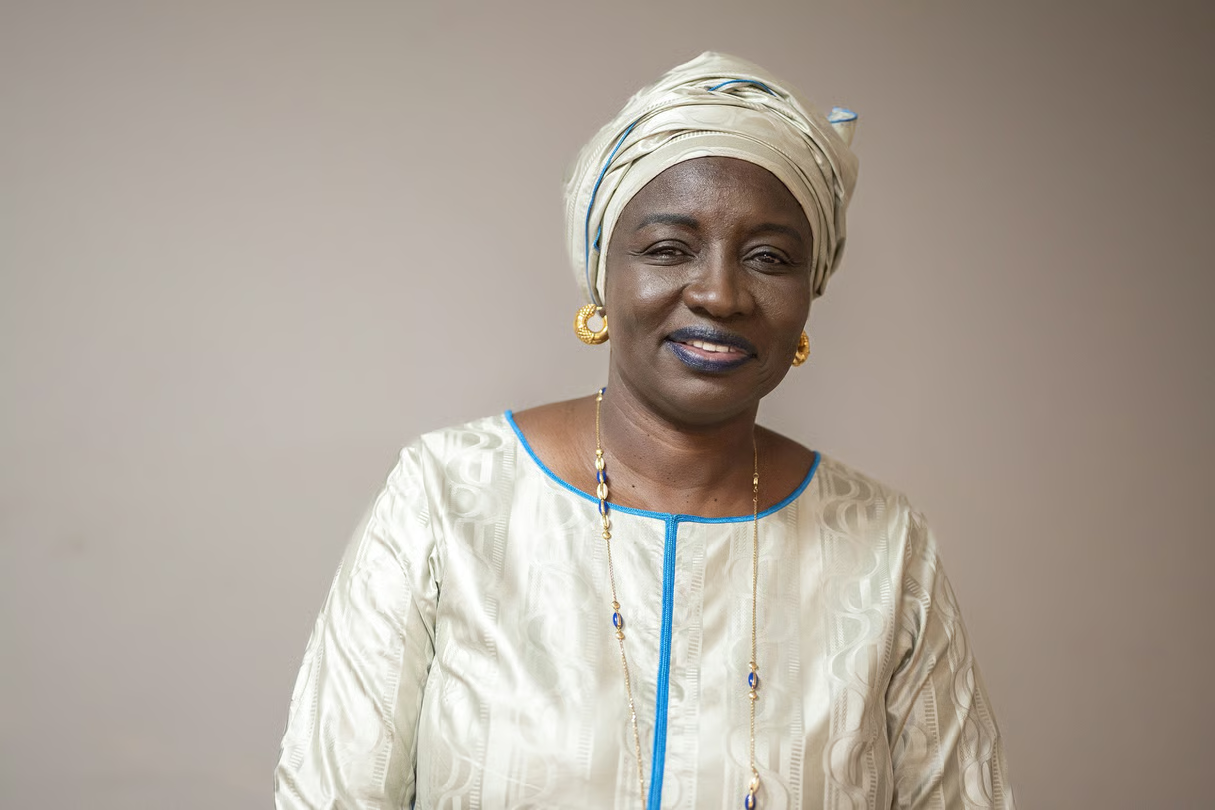
Aminata Touré, Vice Chair of the GCDM
Prime Minister of Senegal (2013-2014), Club de Madrid Member