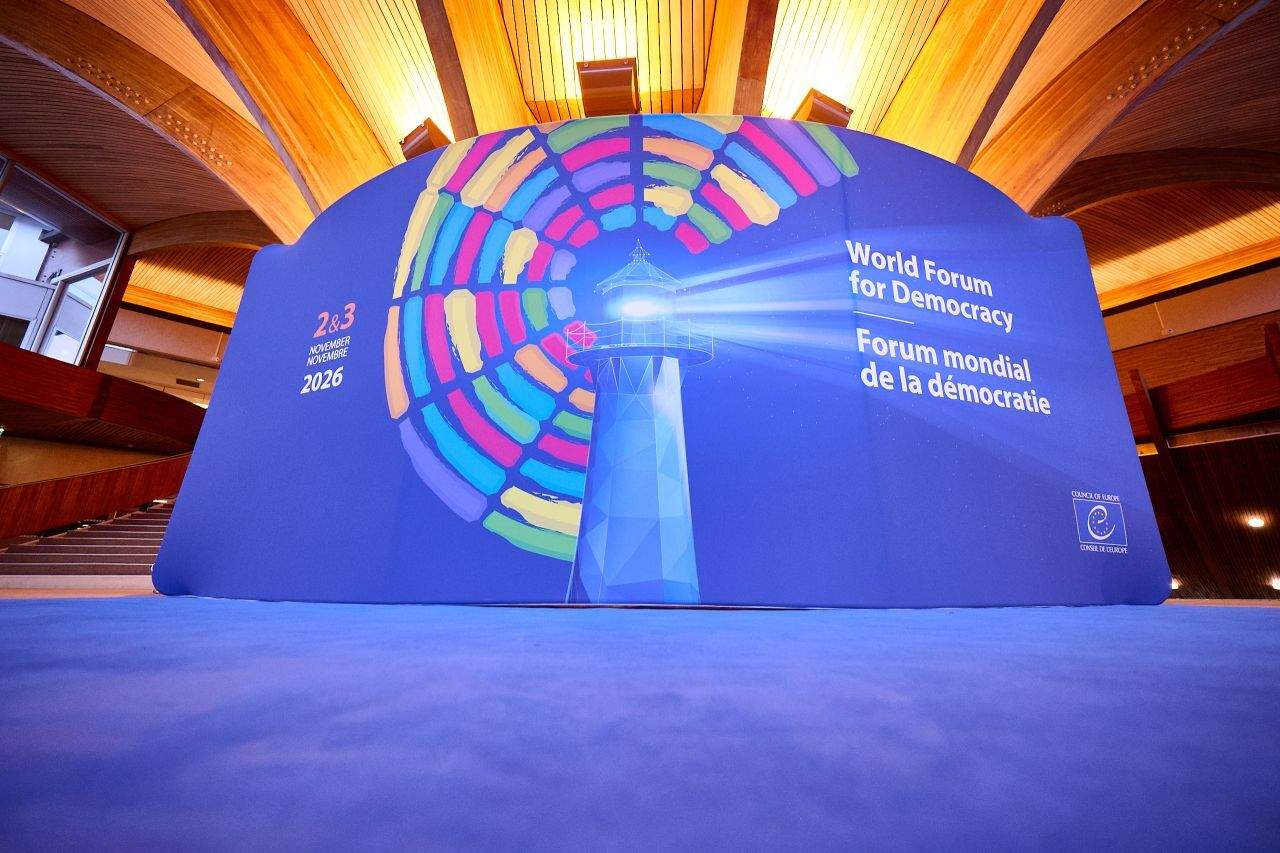
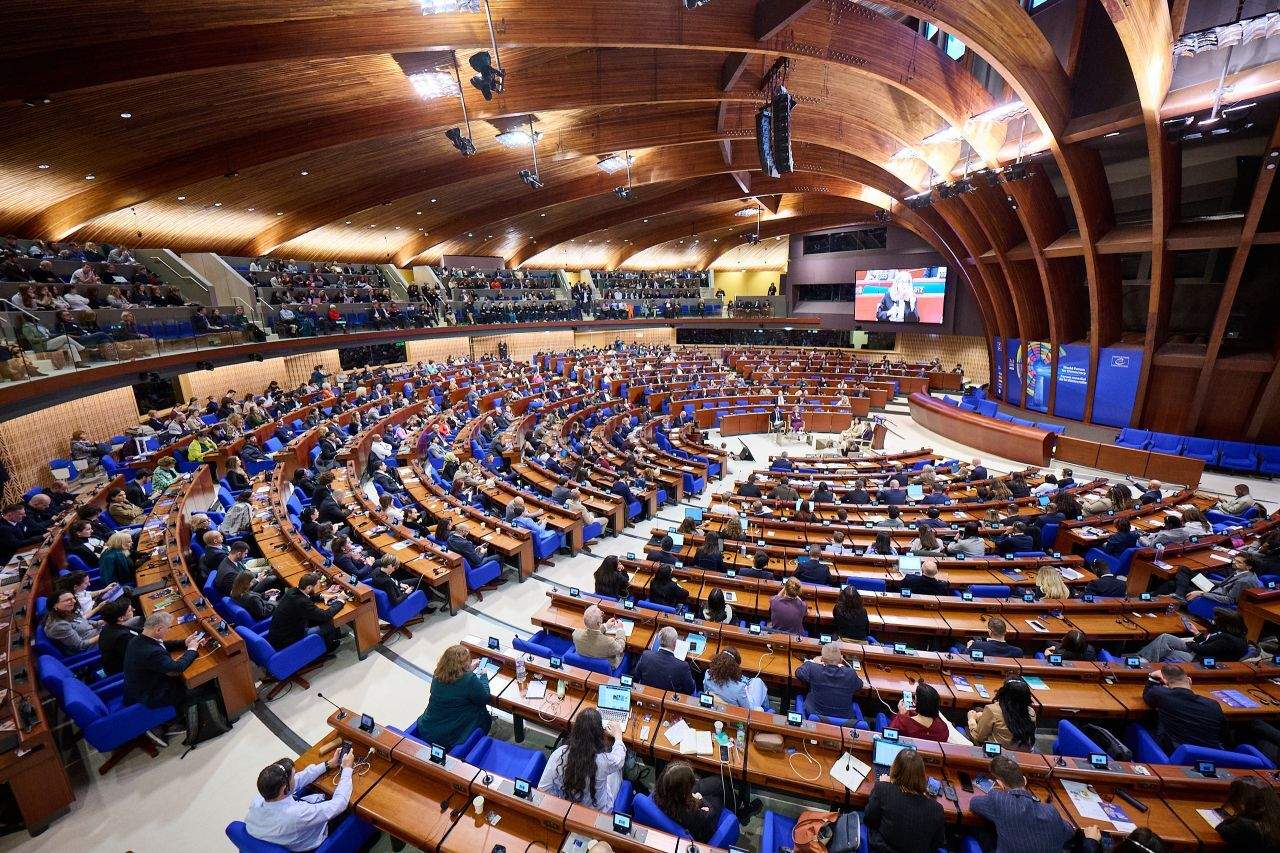
On 2-3 November, Club de Madrid took part in the World Forum for Democracy 2026, organised by the Council of Europe in Strasbourg under the theme “Rupture or Renewal? Democratic Security for Our Future”. The gathering provided an opportunity to reflect on how democratic institutions can respond to mounting pressures, rebuild public confidence and become better equipped to address present and future challenges.
Club de Madrid’s participation placed particular emphasis on a fundamental challenge facing democracies worldwide: democratic resilience depends not only on safeguarding institutions and fundamental freedoms, but also on governments’ capacity to improve people’s lives and respond effectively to their needs.
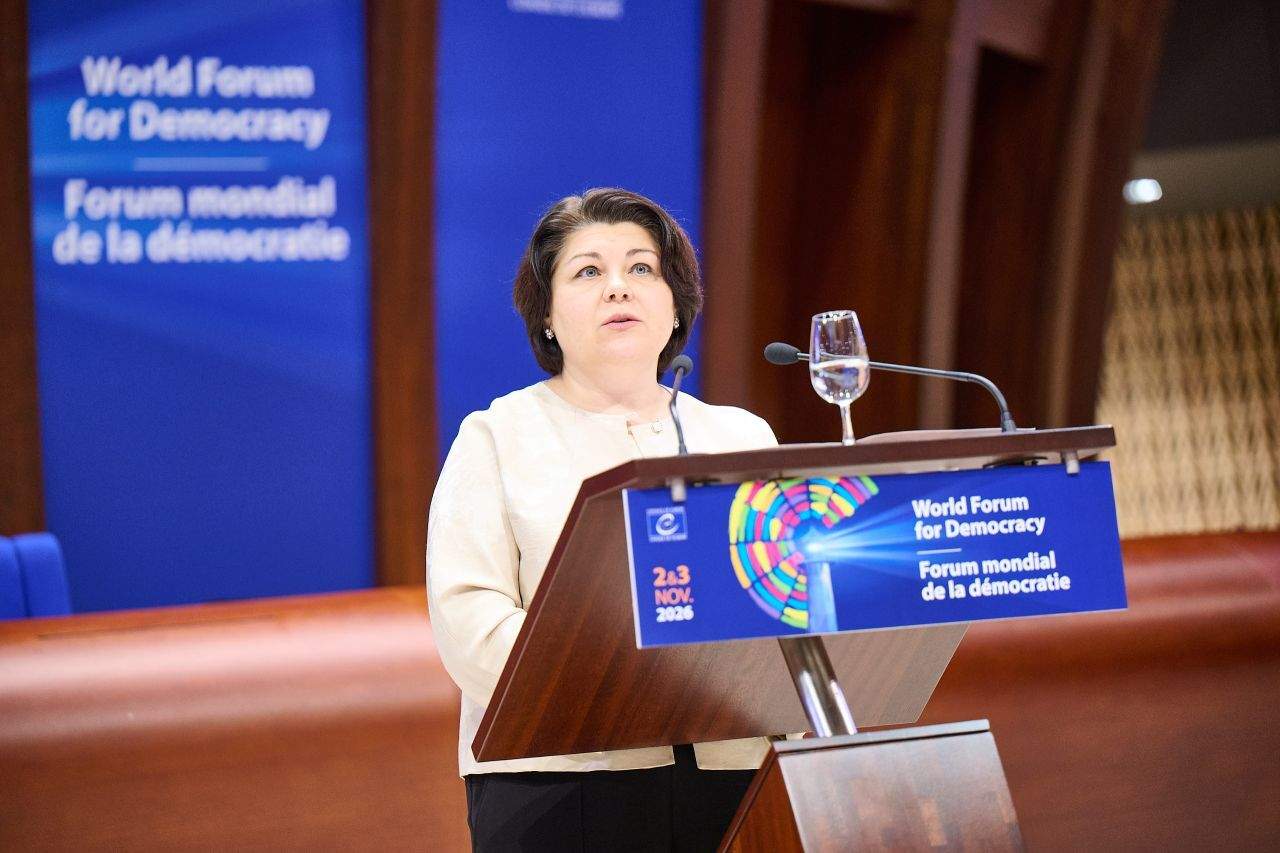
Natalia Gavrilița
Democratic resilience requires results, participation and cooperation
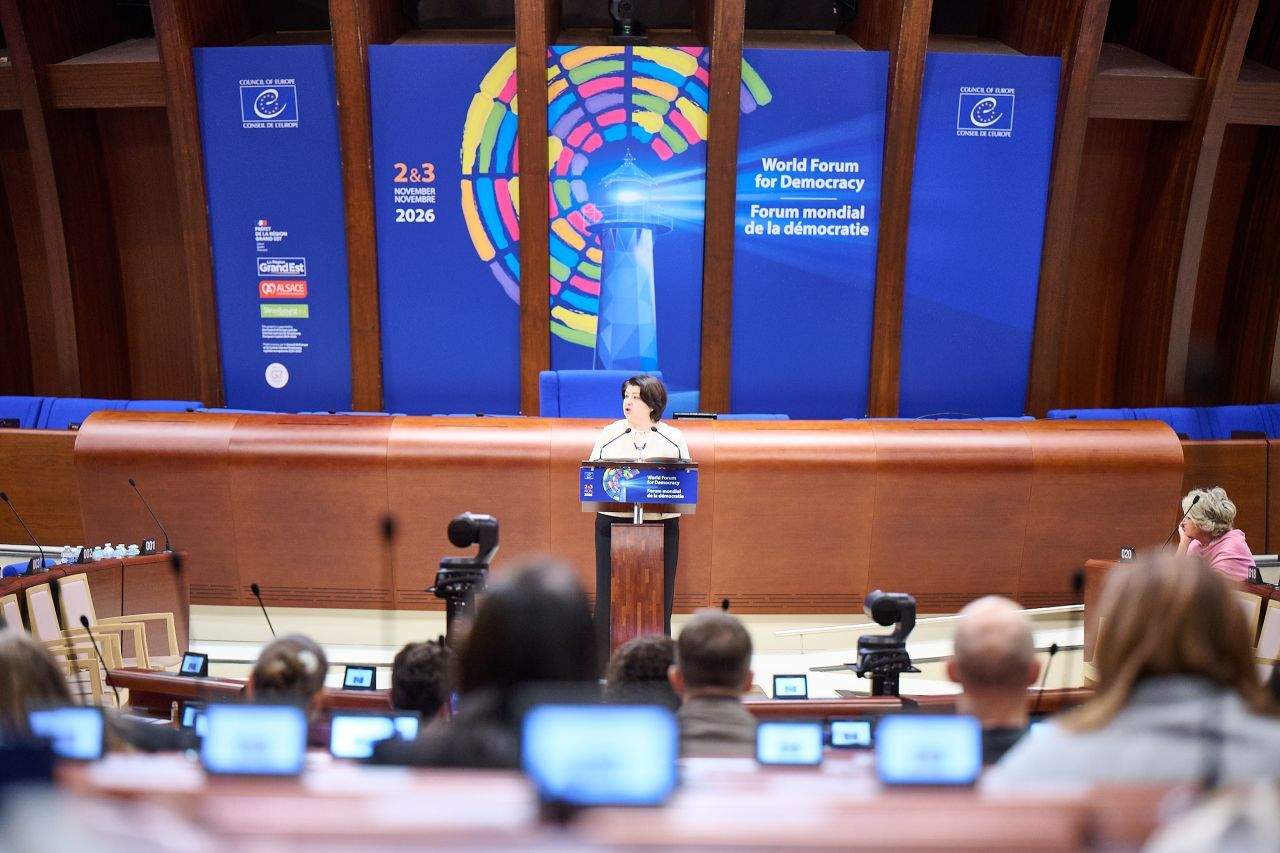
During the opening plenary of the Forum’s second day, Natalia Gavrilița, Club de Madrid Member and former Prime Minister of Moldova, delivered a keynote address outlining three interconnected priorities for reinforcing democratic resilience.
First, she emphasised the importance of democratic institutions producing meaning ful improvements in citizens’ lives without compromising fundamental rights or the rule of law. Second, she underlined the need to bring people, especially younger generations, closer to political decision-making and provide them with greater opportunities to shape their future. Third, she called for stronger international cooperation to confront challenges that extend beyond the capacities of individual countries.
Her intervention drew on the work of Club de Madrid’s Global Commission on Democracy and Multilateralism, highlighting the links between democratic performance, public confidence and the legitimacy of international institutions. Effective governance and greater participation are essential not only for strengthening democracy within countries, but also for developing a more representative and accountable multilateral system.
This perspective reflects a broader concern in contemporary debates on democratic renewal: defending existing democratic structures is necessary, but must be accompanied by meaningful public participation, institutional responsiveness and collective solutions to shared challenges.
Bringing the Global Commission’s findings to the Forum
Gavrilița’s intervention brought into the Forum’s discussions the central messages of Club de Madrid’s Global Commission on Democracy and Multilateralism, which examined how international cooperation can contribute to democratic renewal amid declining institutional trust and growing global challenges.
The Commission’s report, Democracy and Multilateral Cooperation: Revitalizing International Support for Democratic Renewal, stresses that democracy and multilateralism must be strengthened together. Its recommendations call for democratic institutions that deliver tangible results while safeguarding fundamental rights, more inclusive international decision-making, stronger cooperation across borders and greater accountability for concentrated political, economic and technological power.
These priorities also extend to protecting electoral integrity, the rule of law, civil rights and democratic governance in the digital age. The report emphasises the need to translate democratic commitments into concrete improvements in people’s lives, meaningful participation and stronger public accountability.
Advancing democratic renewal together
Club de Madrid’s participation in the World Forum for Democracy 2026 connected the Commission’s recommendations with wider discussions on the future of democratic governance.
Natalia Gavrilița’s keynote reinforced the importance of building institutions that respond to citizens’ needs while protecting the rights and freedoms on which democracy depends.
Through its Global Commission, Club de Madrid continues to contribute to efforts to strengthen democracy and multilateral cooperation, promoting more inclusive, accountable and responsive institutions at national and international levels.
Democratic renewal and stronger multilateralism must advance together, turning shared commitments into meaningful action for citizens.