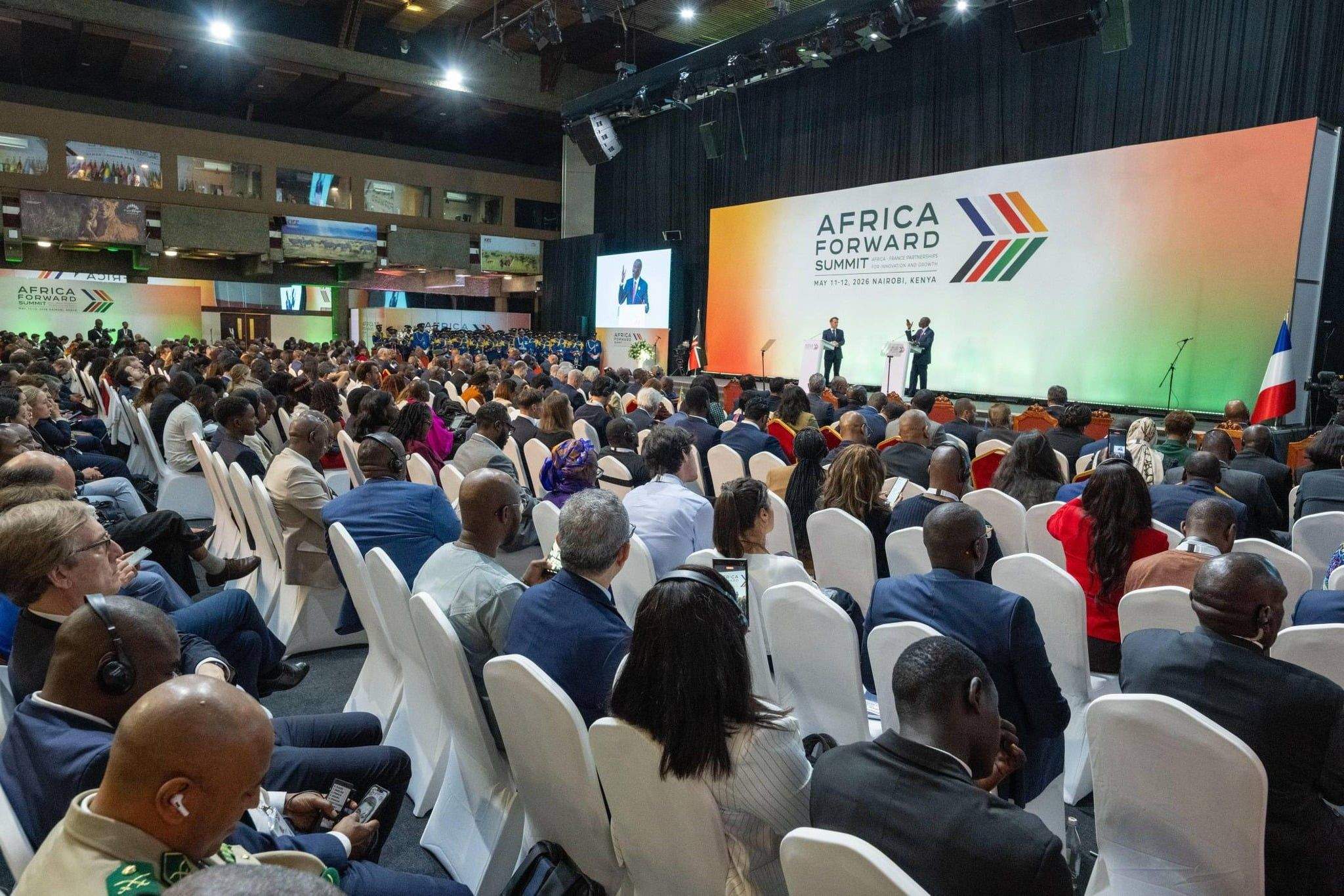
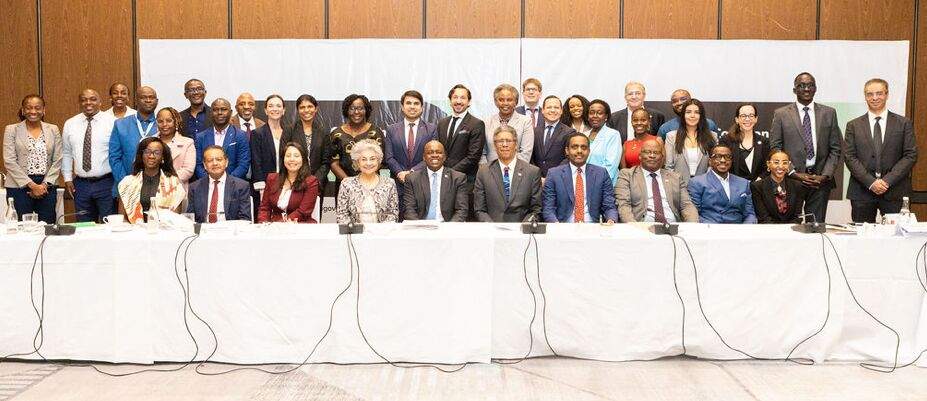
On the sidelines of the Africa Forward Summit in Nairobi (11-12 May 2026), Club de Madrid participated in three high-level engagements focused on some of the most urgent governance and development challenges facing Africa and the international community: maternal and child survival, youth leadership and gender equality, and the future of international cooperation financing.
Across these discussions, a common message emerged: addressing today’s interconnected challenges requires stronger political leadership, more inclusive governance, renewed multilateral cooperation and practical mechanisms capable of translating commitments into sustained action.
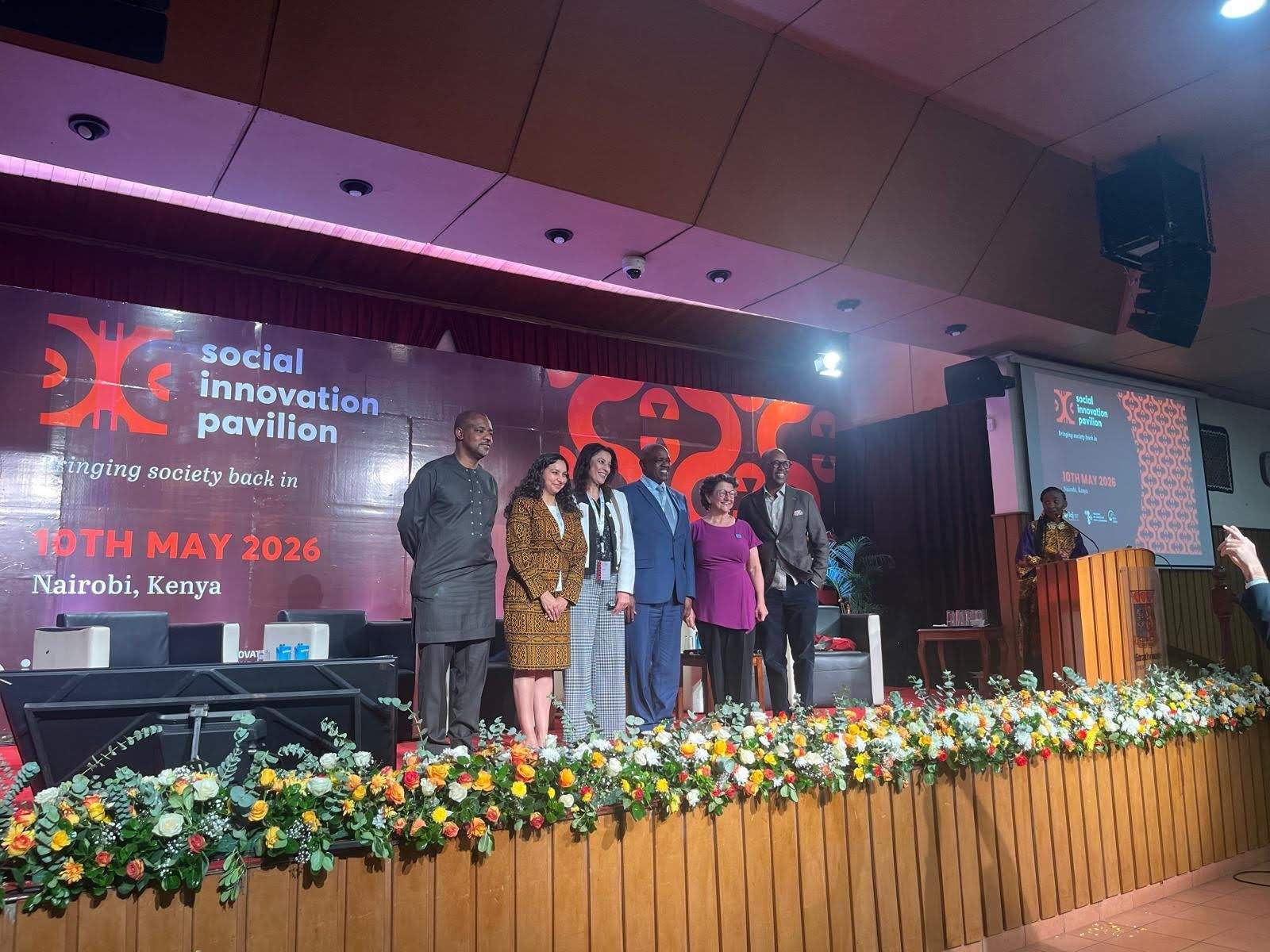
· Democratizing Maternal and Child Health in Africa: A Strategic Investment for the Future
Club de Madrid joined the Paris Peace Forum panel on Mother and Child Survival, with the participation of Club de Madrid Member and former President of Botswana, Mokgweetsi Masisi (2018–2024).
The discussion centred on the growing challenges facing maternal and child health across Africa at a moment of declining development financing and mounting global pressures. As highlighted throughout the dialogue, while maternal and child mortality rates have improved significantly over recent decades, progress has slowed considerably, with Sub-Saharan Africa continuing to account for a disproportionate share of preventable maternal and under-five deaths. Participants stressed that most of these deaths remain preventable and reflect persistent structural barriers in access to healthcare, unequal service delivery, underinvestment in systems and growing financing constraints.
As emphasised by President Masisi during the discussion, the rise in child mortality reflects failures in governance at global, regional and national levels and underscores the urgent need for stronger political commitment and coordinated responses. Discussions highlighted maternal and child health as a global public good requiring collective action, stronger regional governance mechanisms and renewed investments in resilient health systems capable of delivering equitable access to care.
The panel further underscored the importance of strengthening regional governance architectures, improving health financing, advancing digital health systems and reinforcing domestic resource mobilisation to reduce dependence on external aid while ensuring long-term resilience and sustainability. Club de Madrid reaffirmed its commitment to supporting governments and institutions in advancing sustainable strategies that improve maternal and child health outcomes.
· Youth Leadership as Drivers of Gender Equality in Kenya
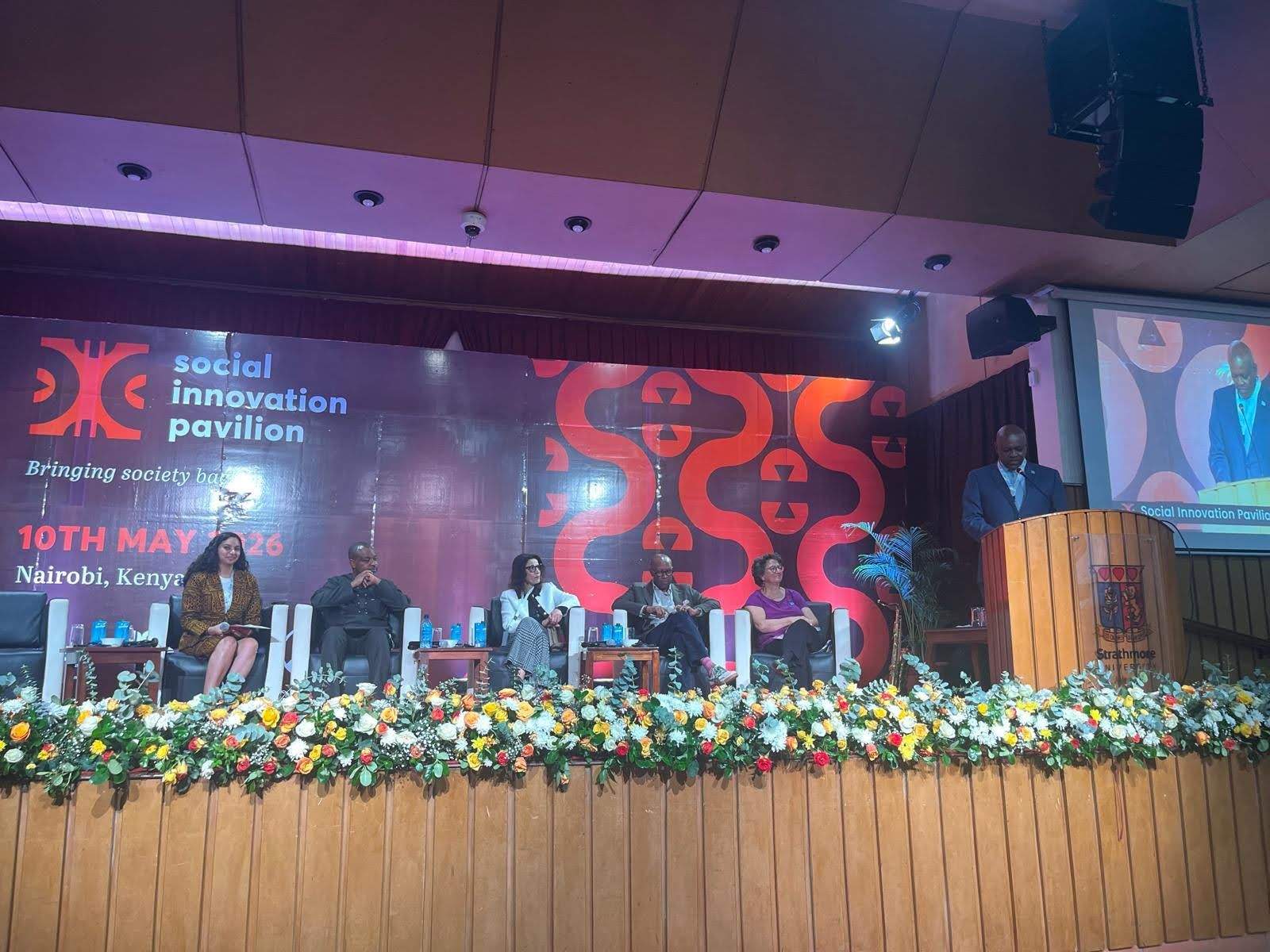
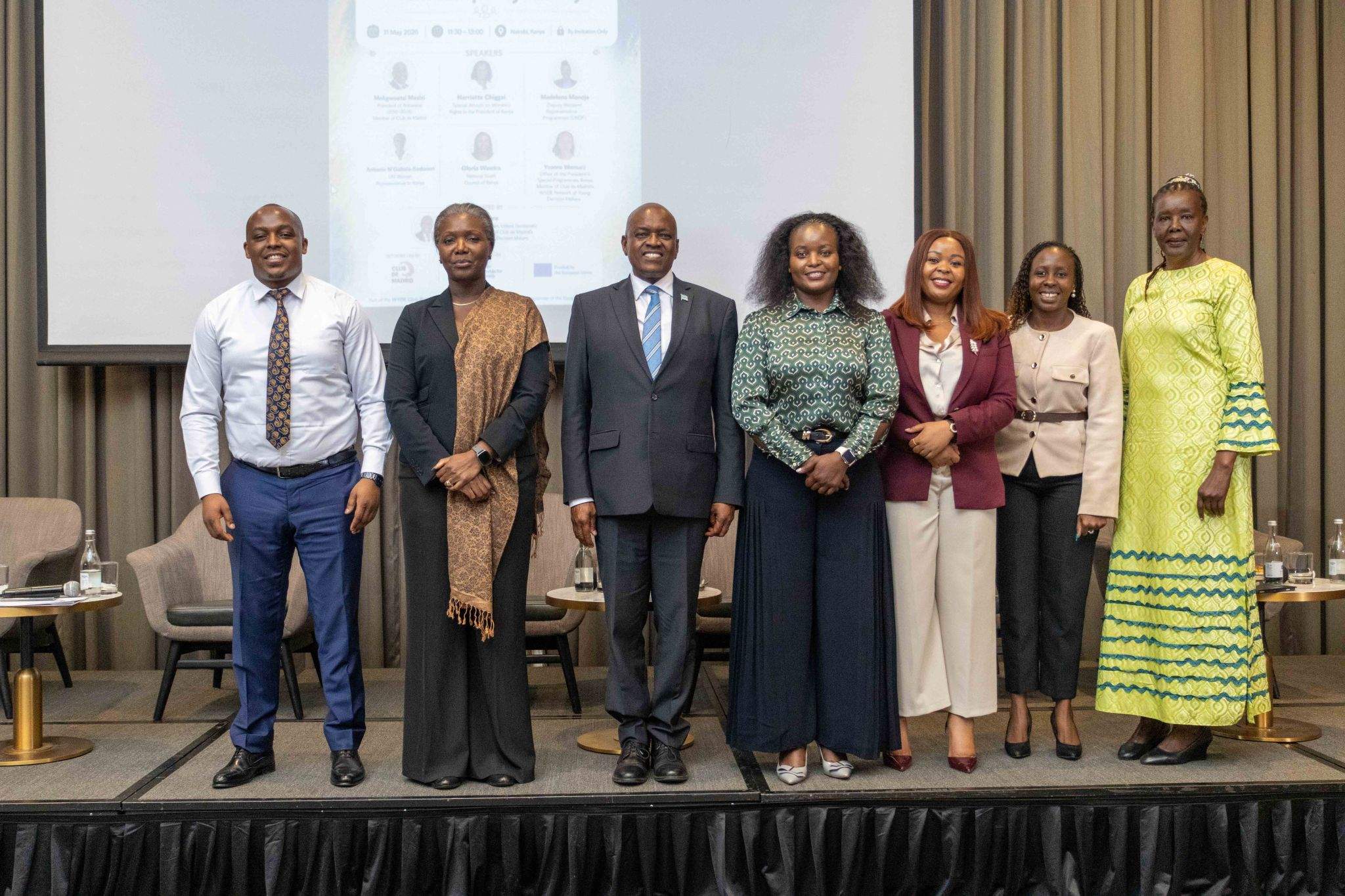
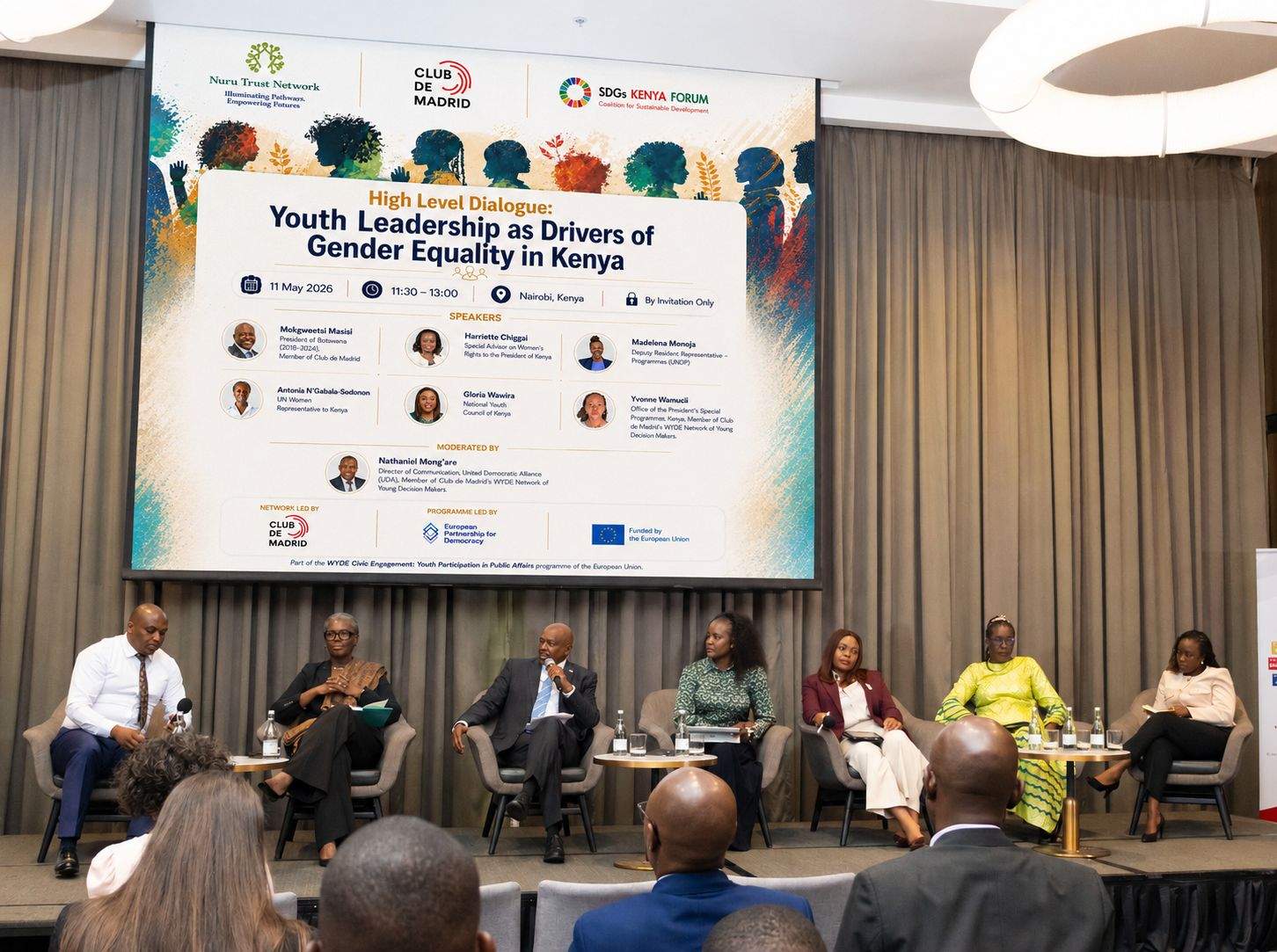
As part of the European Commission’s WYDE Civic Engagement Initiative, Club de Madrid, together with Nuru Trust Network and SDGs Kenya Forum, convened the High-Level Dialogue Youth Leadership as Drivers of Gender Equality in Kenya in Nairobi.
Bringing together young leaders, policymakers, senior government representatives, United Nations agencies, civil society organisations and international partners, the dialogue explored how youth participation can strengthen gender equality, democratic resilience and more inclusive governance in Kenya. Discussions focused particularly on the persistent barriers limiting political participation for young people — especially young women — including structural discrimination, limited access to decision-making spaces, political gatekeeping, high campaign costs and implementation gaps in existing gender equality frameworks.
Moderated by Nathaniel Mong’are, the session framed gender equality and youth inclusion not only as policy priorities, but as democratic imperatives requiring practical and actionable responses. His facilitation helped guide discussions beyond abstract commitments, emphasizing the need to strengthen inclusive and resilient societies while ensuring conversations on gender equality translate into meaningful societal change and grassroots participation.
A central message throughout the dialogue was the need to move beyond policy commitments toward implementation. Participants highlighted that Kenya possesses robust legal and policy frameworks on gender equality and youth inclusion, yet significant challenges remain in enforcement, accountability and institutional follow-through. Speakers emphasized the importance of creating meaningful pathways for youth participation, strengthening mentorship and intergenerational dialogue, and ensuring young women are trusted with leadership, influence and resources rather than symbolic inclusion alone.
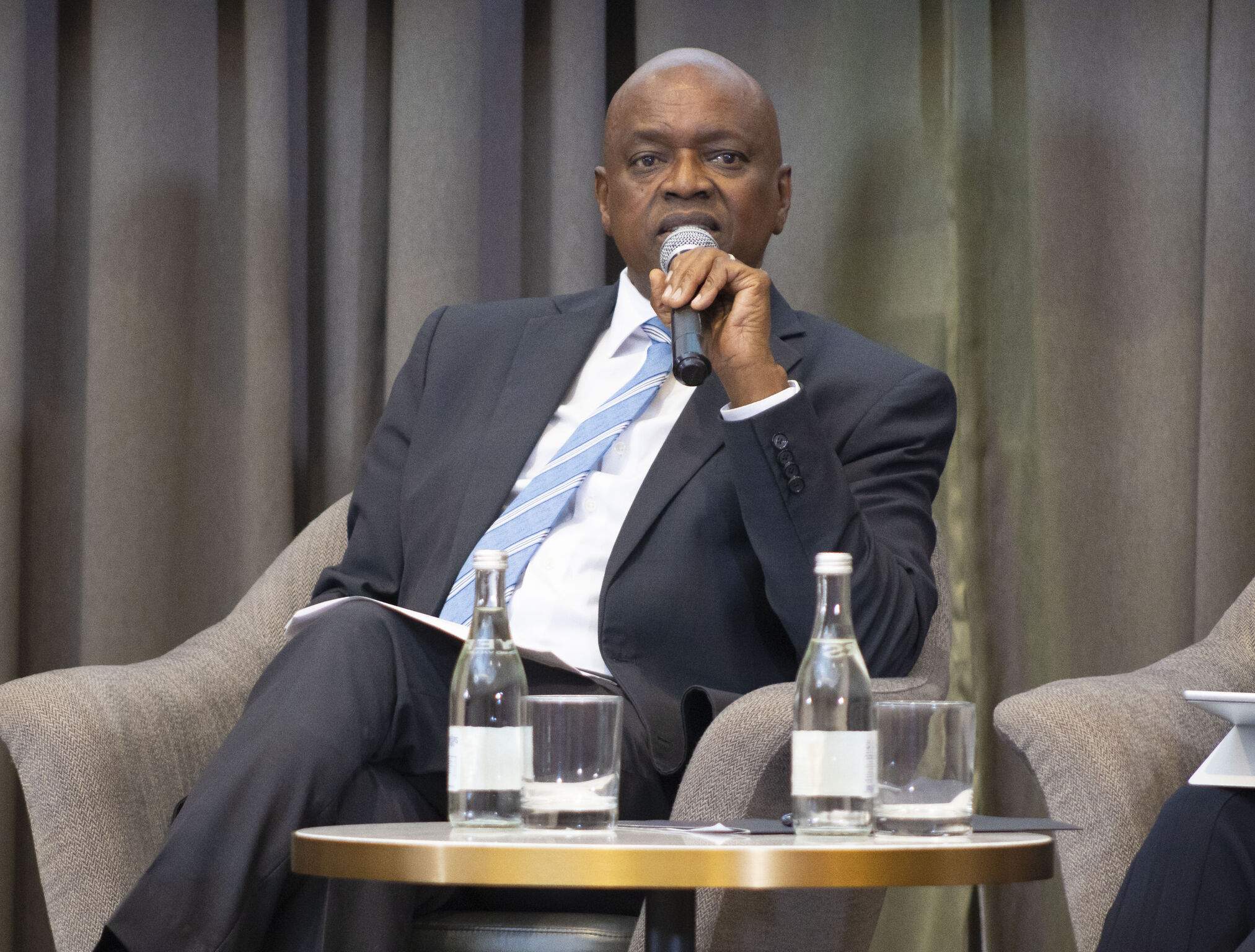
As highlighted by President Masisi: “Young people should be viewed as a resource rather than a problem. Governments must create environments that encourage multi-generational conversations and support young people to grow through experience.”
Among the contributors, Yvonne Wamucii, from the Office of the President’s Special Programmes in Kenya and a member of Club de Madrid’s WYDE Civic Engagement Network of Young Decision-Makers, brought a practical governance perspective grounded in youth engagement and public policy. Drawing on her own leadership trajectory and experience working at the intersection of government and youth mobilisation, she highlighted the importance of creating institutional pathways for young people to contribute to policymaking, strengthening opportunities for economic empowerment, and ensuring that youth voices are actively incorporated into public decision-making processes rather than consulted symbolically.
The dialogue also generated practical recommendations, including stronger accountability mechanisms, expanded mentorship platforms, greater investment in youth leadership and more deliberate institutional reforms to support meaningful inclusion in political and governance spaces. Club de Madrid reaffirmed that strengthening youth leadership remains essential to building more representative, resilient and democratic societies.
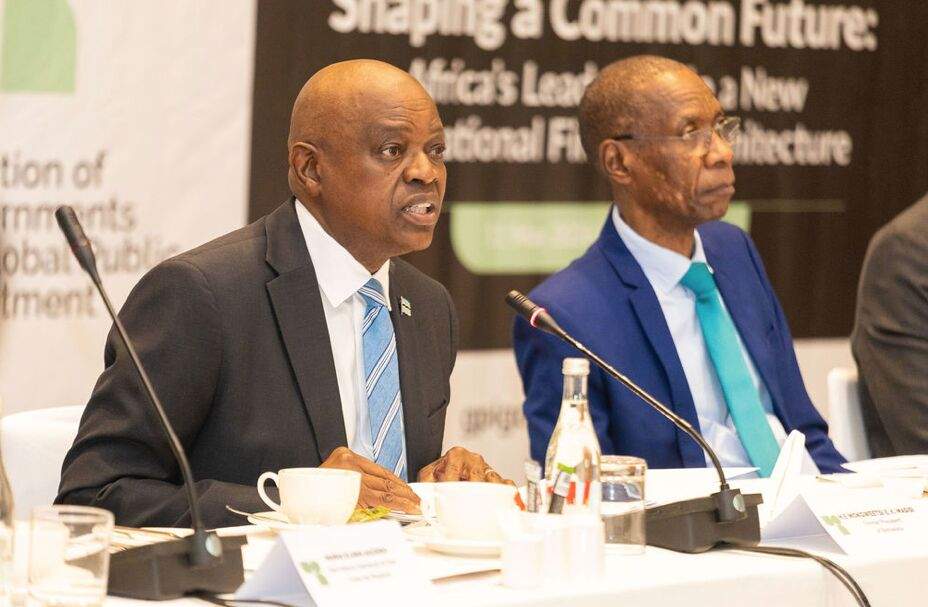
· Shaping a Common Future: Africa’s Leadership in a New International Financial Architecture
Club de Madrid also participated in the high-level meeting of the Coalition of Governments on Global Public Investment (GPI), convened by Senegal’s Minister of Foreign Affairs, H.E. Cheikh Niang.
Held as a ministerial working breakfast, the discussion focused on how African countries can strengthen collective leadership in shaping reform of the International Financial Architecture and renew international cooperation frameworks capable of responding to today’s transnational challenges, including health security, climate transitions and economic resilience. Participants explored how Global Public Investment can contribute to a more inclusive, predictable and representative system of international cooperation based on shared responsibility, mutual interest and co-investment rather than dependency.
In his intervention, President Masisi emphasized that global challenges require collective, accountable and long-term responses grounded in effective multilateralism and public finance. Discussions highlighted the importance of strengthening public systems, building stronger partnerships between regions and ensuring that international cooperation reflects greater co-responsibility between countries while remaining responsive to national priorities and development needs.
Club de Madrid reaffirmed its commitment to promoting democratic resilience, inclusive leadership and effective multilateral cooperation. As discussions in Nairobi demonstrated, building more equitable, resilient and democratic societies requires not only stronger policies, but also stronger coalitions capable of translating ambition into lasting impact.