At the Global Progressive Mobilisation 2026 in Barcelona, Club de Madrid convened and contributed to two high-level side events addressing some of the most pressing challenges facing democracy today: the rise of extreme wealth inequality and the urgent need to rethink how democracy is supported in a rapidly changing global context.
· Oligarchy or Democracy: Confronting Extreme Wealth Inequality
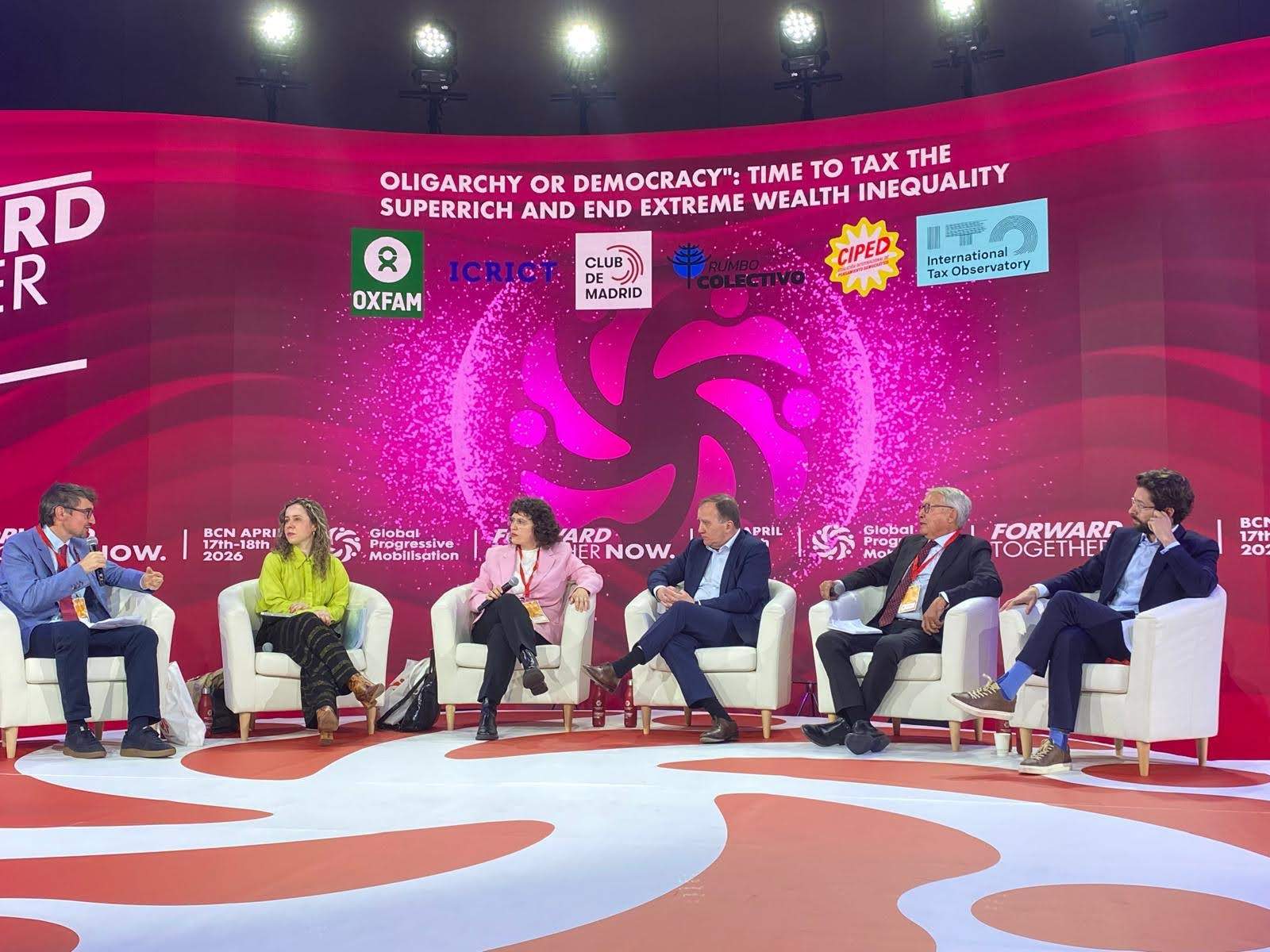
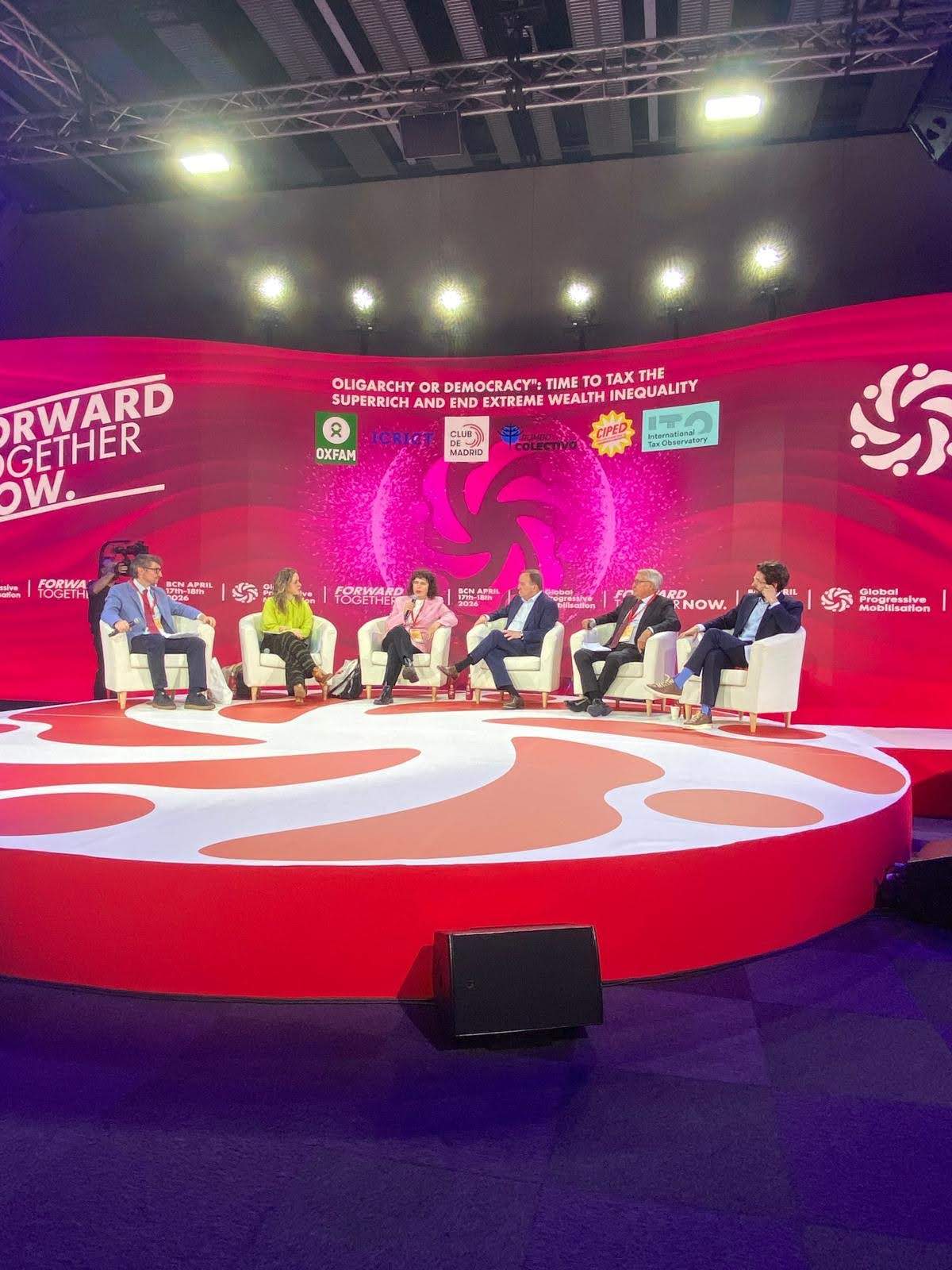
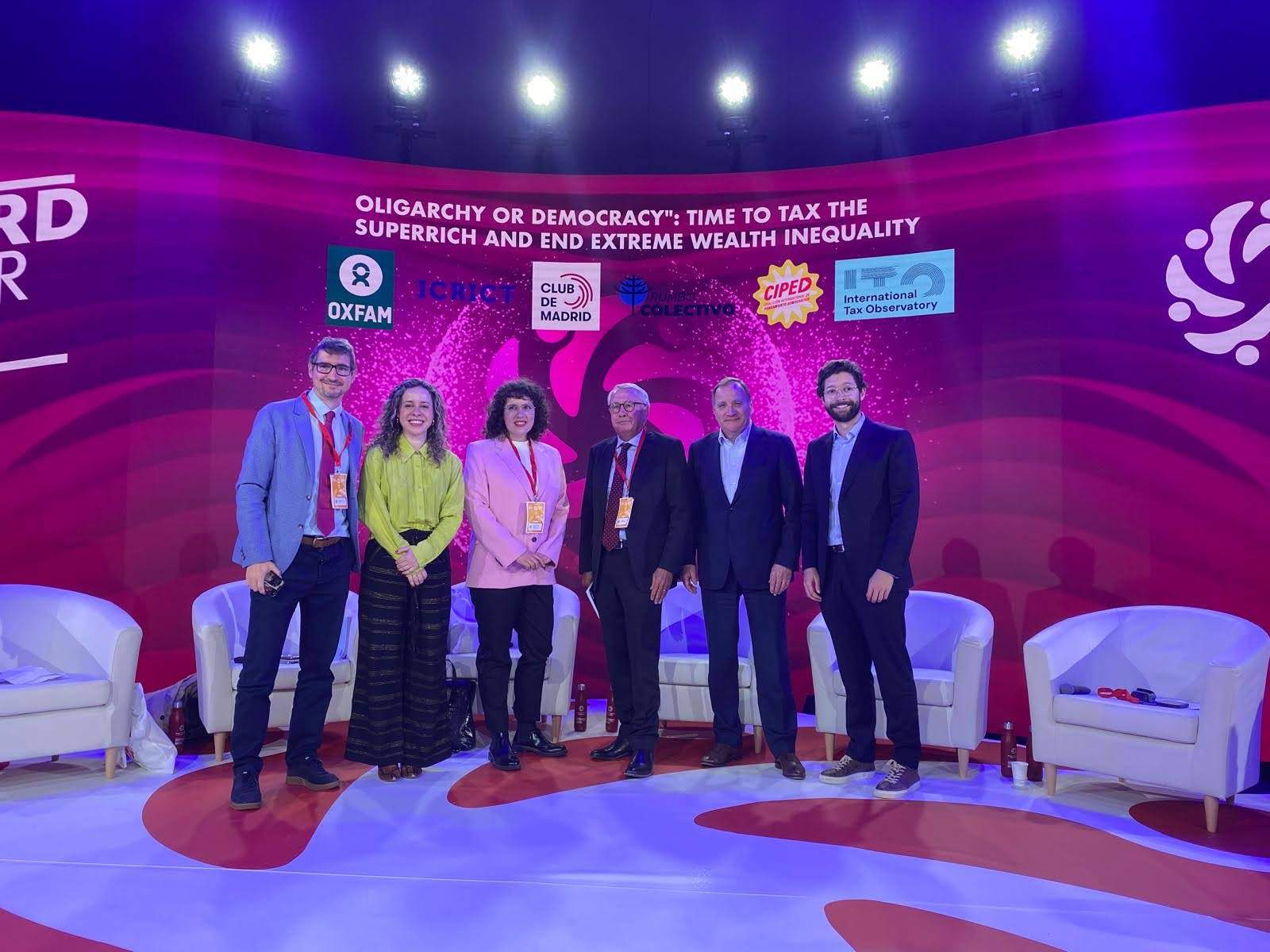
In partnership with ICRICT, Oxfam, Rumbo Colectivo, International Tax Observatory and CIPED, Club de Madrid co-hosted a high-level discussion titled “Oligarchy or Democracy: Time to tax the super-rich and end extreme wealth inequality.”
The session explored how the growing concentration of wealth is not only an economic concern but a structural threat to democratic governance. As highlighted throughout the discussion, democracy is not weakening in isolation — it is being reshaped by the increasing overlap between economic power and political influence.
Bringing together leading voices from academia, policymaking and international institutions, the panel included our Member and President of European Socialist (PES) Stefan Löfven, Isabella Weber, Wayne Swan, Débora Freire and Bruno Gonçalves, with moderation by Tommaso Faccio.
A central message emerged clearly: taxing the super-rich is no longer solely a matter of fiscal policy — it is a democratic imperative. Without addressing extreme inequality, democratic accountability and equal representation risk being fundamentally undermined.
Speakers pointed to growing momentum around both national reforms and global initiatives. However, they also stressed that meaningful progress will require sustained political will, stronger international cooperation, and broad-based coalitions capable of translating proposals into concrete action.
· Beyond Government-Led Initiatives: Rethinking Democracy Support
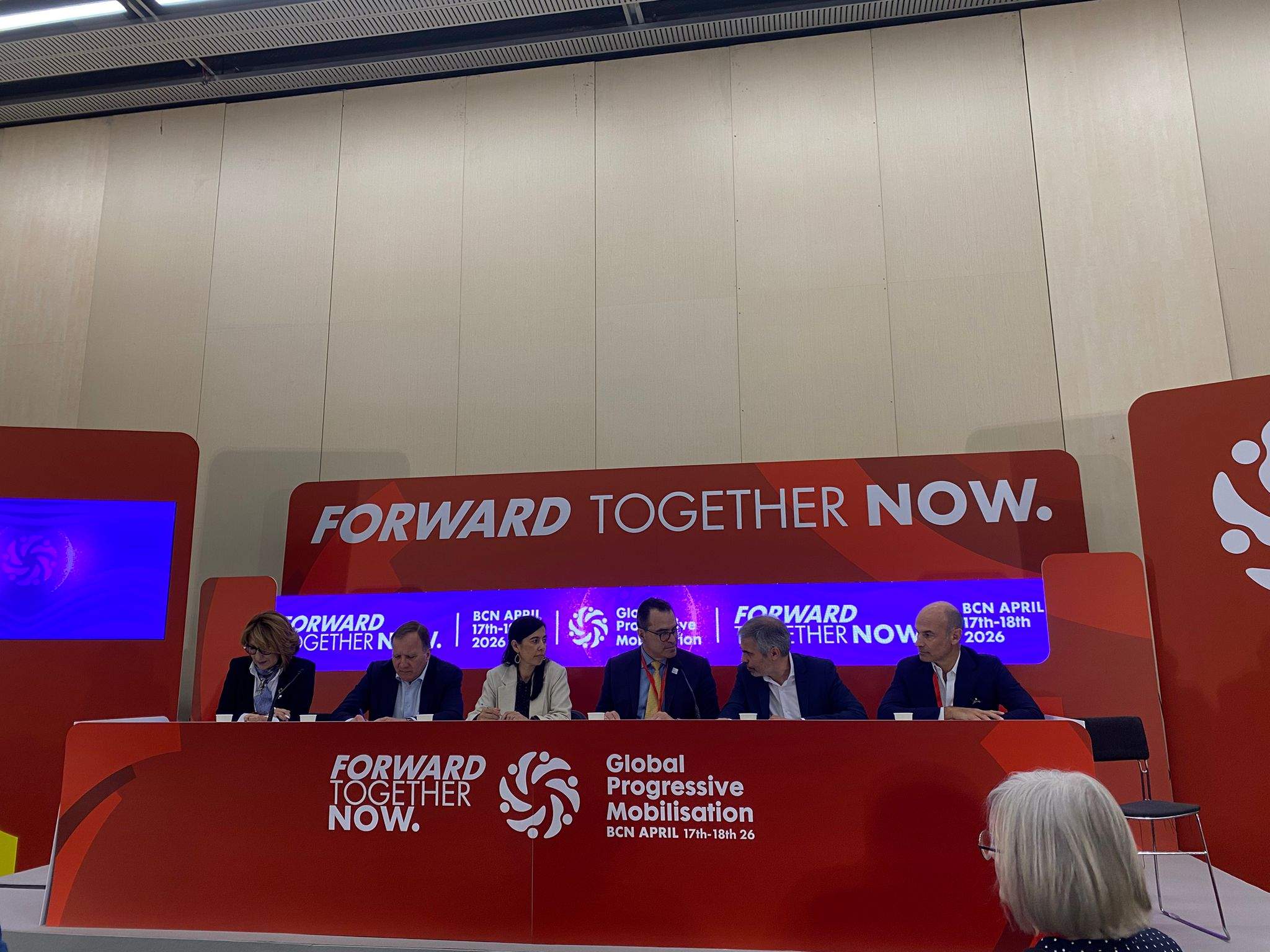
In a second high-level event, Club de Madrid joined partners from the Global Democracy Coalition — including International IDEA, United Cities and Local Governments and Political Watch — to examine how democracy support must evolve.
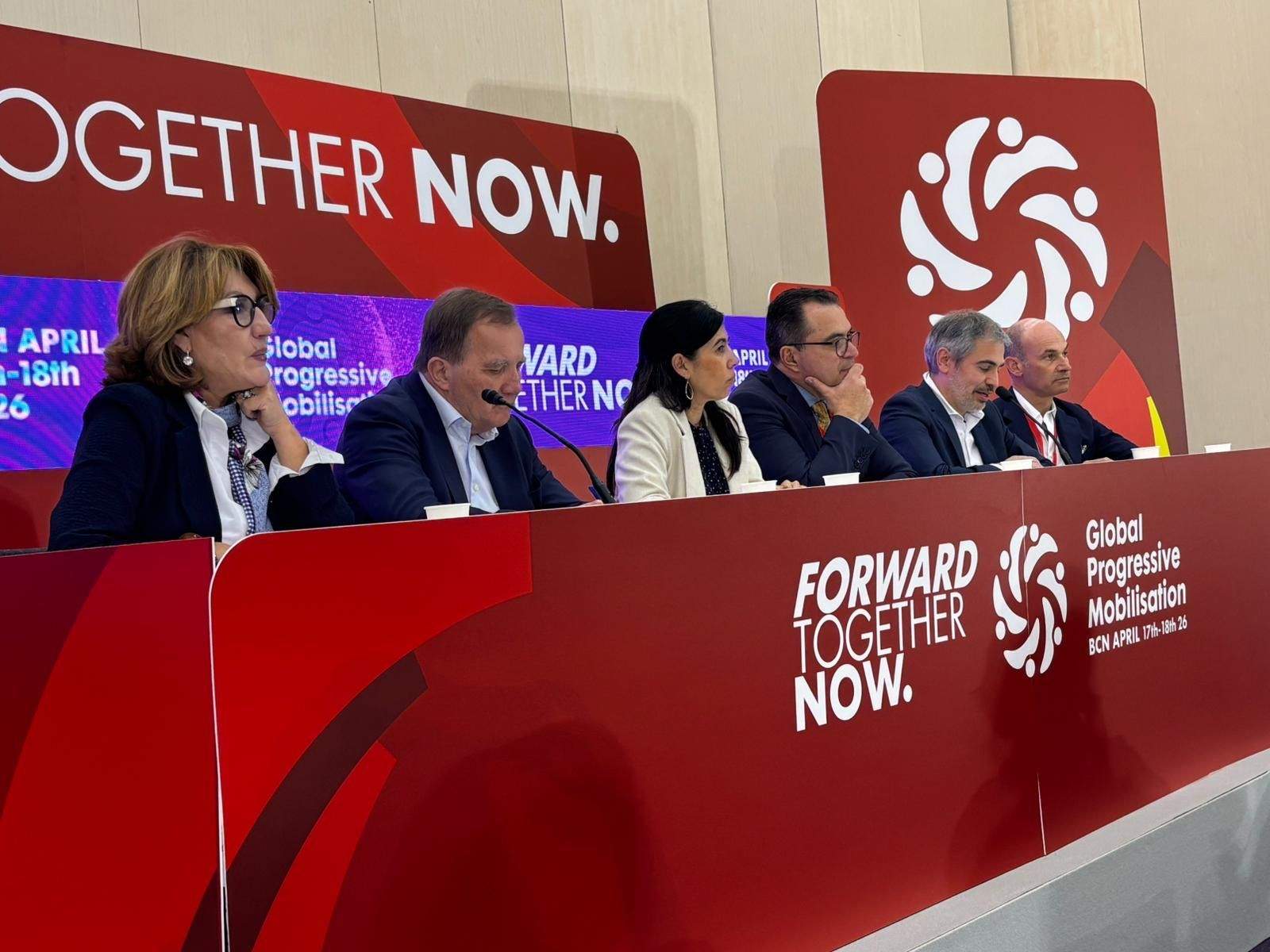
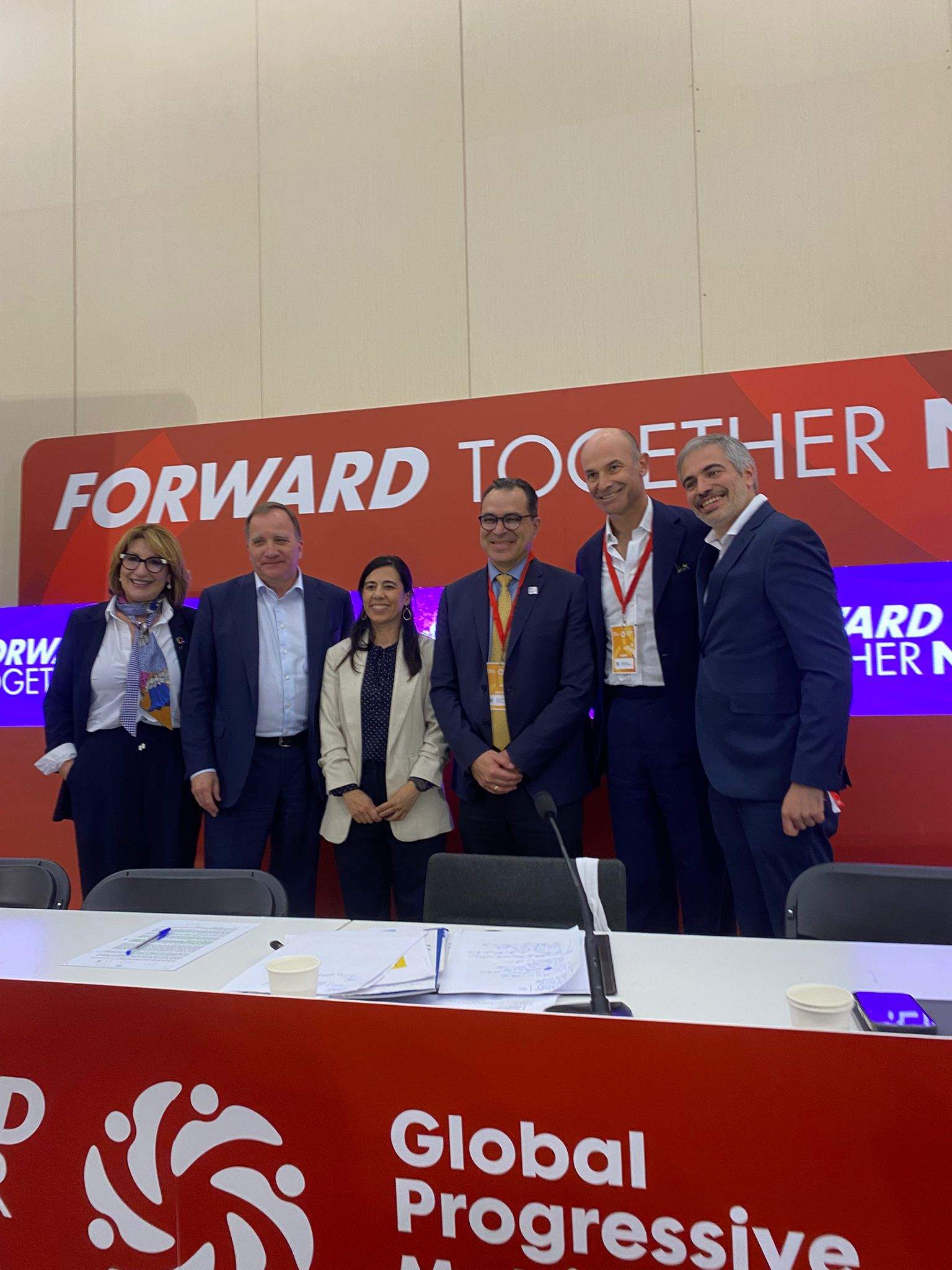
The session, “Beyond Government-Led Democracy Initiatives: Building Cross-Sector Multistakeholder Alliances,” addressed the limitations of traditional democracy support models in a context marked by geopolitical fragmentation, shrinking civic space and declining public trust.
The panel featured our Member and President of European Socialist (PES) Stefan Löfven, Fernando Sampedro, Kevin Casas-Zamora, Thai Jungpanich, Emilia Saiz, and Daniel Sachs.
The discussion underscored that democracy is not only under pressure — the ways in which it has traditionally been supported are also reaching their limits. Government-led initiatives alone are no longer sufficient to address today’s complex and interconnected challenges.
Participants emphasized that the future of democracy support lies in building inclusive, cross-sector alliances that bring together governments, civil society, the private sector and international organizations. Such coalitions must be flexible, action-oriented and grounded in shared democratic principles.
From Dialogue to Action
Across both events, a common thread emerged: democracy today faces systemic challenges that require systemic responses. Whether addressing extreme inequality or rethinking governance support models, incremental approaches will not suffice.
Instead, advancing democratic resilience will depend on:
- Strengthening fairness and accountability through bold economic reforms
- Expanding international cooperation and coordination
- Building broad, inclusive coalitions across sectors
- Moving beyond dialogue to concrete, sustained action
Club de Madrid reaffirmed its commitment to promoting democratic resilience, inclusive governance and global cooperation. As discussions in Barcelona made clear, democracy cannot thrive alongside extreme inequality — nor can it be sustained in isolation.