Working Group 1: Revitalising Support for Democracy within the UN System
Led by International IDEA, this Working Group examined how the United Nations can strengthen and protect democracy within its broader work on peace and security, human rights and sustainable development. It assessed the UN’s existing contribution through electoral assistance, constitutional and rule-of-law support, human rights monitoring, peacebuilding, anti-corruption efforts and programmes that promote civic participation and inclusion. The report also considers the UN’s institutional constraints and sets out proposals to strengthen its role, including better coordination across the UN system, stronger support for democratic resilience, greater participation by parliaments, civil society and citizens, and a more explicit place for democracy in the post-2030 development agenda.
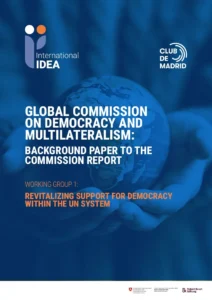
Download the Working group report
Scope
The Working Group on Revitalising Support for Democracy within the UN System deliberated on how the United Nations can strengthen and protect democracy as part of its mission on peace and security, human rights and sustainable development, and produced a report setting out its findings.
Although democracy features in key UN declarations, its operational integration across the system remains limited, fragmented and politically sensitive; the UN, for instance, has never had an explicit mandate to promote it. Even so, the report argues that a rules-based international order depends on renewed commitment to democratic principles, and that today’s global challenges call for more accountable, inclusive, participatory and responsive governance rather than a retreat from democratic norms.
The Group identifies institutional entry points within the UN framework, such as peacebuilding, development cooperation, electoral support and human rights mechanisms, that could be better leveraged to support democratic governance. It pays particular attention to how mandates, funding structures, reporting mechanisms and institutional leadership enable or constrain democratic engagement. It also assesses how the democracy and human rights agendas interact, including whether existing tools (the Universal Periodic Review, Special Rapporteurs, SDG16) can be more strategically aligned with democracy-related objectives, and revisits past proposals such as a UN Special Rapporteur on Democracy or a stronger mandate and resources for the UN Democracy Fund.
Institutional Lead
International IDEA is an intergovernmental organisation of 35 member states, mandated since 1995 to support sustainable democracy worldwide. It delivers comparative policy knowledge and analysis, capacity development, dialogue facilitation, technical assistance and regional and global advocacy in electoral integrity, constitutional reform, democracy assessments, digitalisation, gender inclusion and money in politics. Its longstanding engagement with multilateral institutions and focus on democratic standards make it a recognised reference point in advancing democracy within complex governance frameworks.
Recommendations
Ambitious reforms for Member States to consider
- Make protecting democracy a key priority of the next UN Secretary-General
- Place democracy at the centre of the post-2030 development agenda as a critical enabler of sustainable development
- Strengthen UN human rights mechanisms to address democratic backsliding
- Explore the creation of a UN Special Rapporteur on Democracy
- Amplify citizen and civil society voices through a Civil Society Envoy and pilot Global Citizens’ Assemblies to bring public input into UN policymaking
- Strengthen the role of elected representatives and parliaments in UN policy forums through a United Nations Parliamentary Assembly
Immediate practical steps
- Adequately resource democracy-related mandates and functions
- Protect existing normative frameworks from dilution
- Strengthen coordination and system-wide coherence on democracy-related issues across UN entities and the three pillars
- Expand UN partnerships with civil society and other stakeholders in the global democracy ecosystem
Key thematic priorities
- Elevate constitutionalism as a distinct focus within UN rule-of-law work
- Integrate electoral assistance more closely with political, human rights and peacebuilding efforts
- Build on recent developments under the United Nations Convention against Corruption, particularly new global standards on political finance transparency and improvements to the UNCAC review mechanisms in their second phase
- Address shrinking civic space and strengthen the UN’s role in defending, promoting and enabling civil society engagement and participation in democratic governance
- Protect the UN’s human rights pillar by strengthening coordination across the human rights system, increasing protection for Special Procedures mandates, and improving linkages between human rights monitoring and other democracy-support efforts within the UN system
- Make concerted efforts to protect gains on gender equality against a growing backlash
Technology and democracy
- Digital platforms, surveillance and AI create new threats to electoral integrity, participation, accountability and privacy
- The report identifies significant normative gaps in global governance frameworks and calls for support for multi-stakeholder efforts to develop safeguards on responsible AI, digital rights and governance, and to counter online gender-based violence
Leads and members
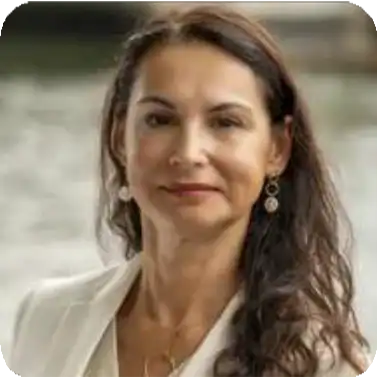 Lead
Annika Silva-Leander
Head of North America and Permanent Observer of International IDEA to the United Nations
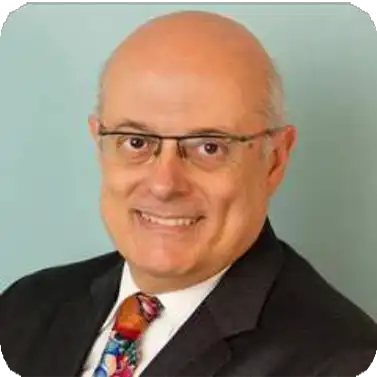 Lead
Massimo Tommasoli
Former Director of Global Programmes at International IDEA

Andreas Bummel
Executive Director, Democracy Without Borders
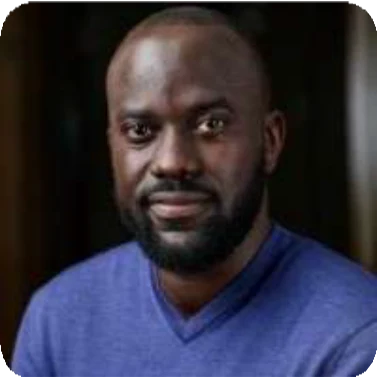
Kizito Byenkya
Global Advocacy Director, Open Society Foundations

Colombe Cahen-Salvador
Founder, Atlas Movement
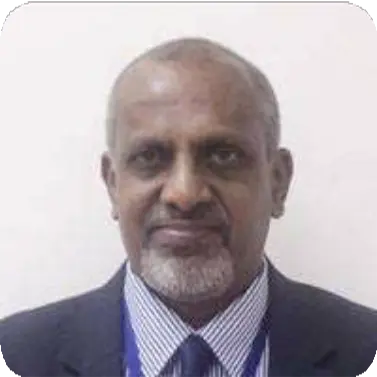
Rohan Edrisinha
Former Senior Political Officer and Constitutional Advisor in the Policy and Mediation Division of the Department of Political Affairs of the United Nations
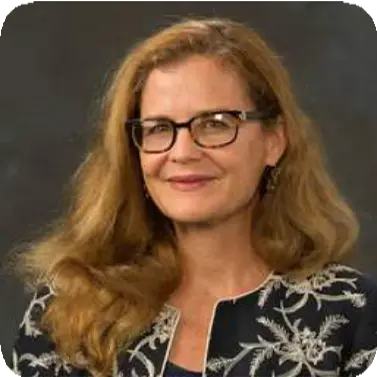
Anne Marie Goetz
Former Director of the Peace and Security section of UN Women
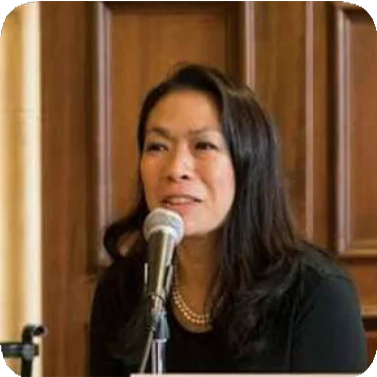
Rana Siu Inboden
Senior Fellow with the Robert Strauss Center for International Security and Law at the University of Texas at Austin
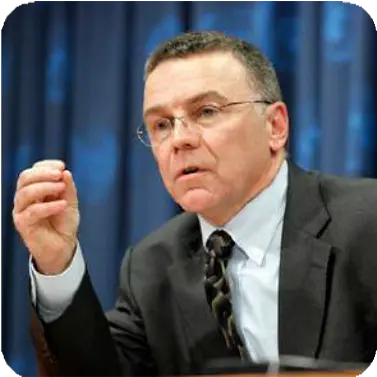
Craig Jennes
Former Director of Electoral Assistance Division of the United Nations
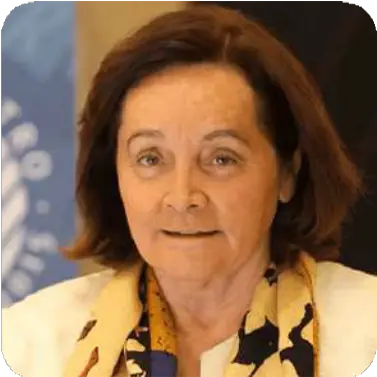
Marta Lagos
Founder and Director of Latinobarómetro
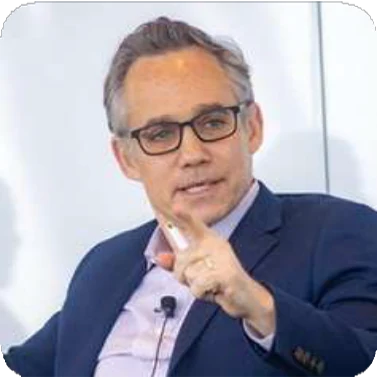
Adam Lupel
Executive Director of the Coalition for the UN We Need (C4UN)
 Content Director
Ted Piccone
Content Director of Global Commission on Democracy and Multilateralism & Club de Madrid Advisor
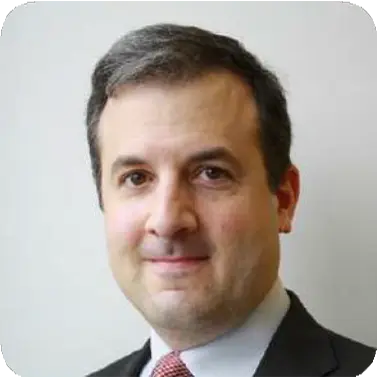
Richard Ponzio
Director of the Global Governance, Justice & Security Program and a Senior Fellow at Stimson
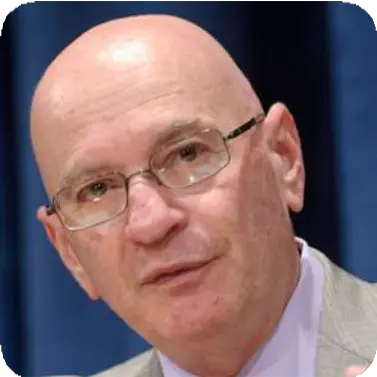
Roland Rich
Director of the United Nations & Global Policy Studies at Rutgers University
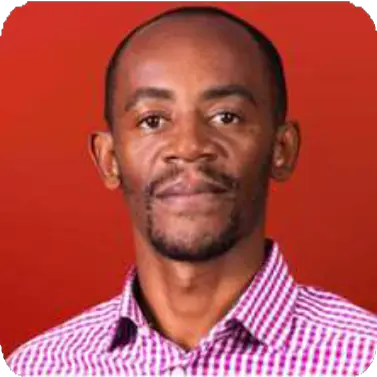
Otto Saki
Senior Program Officer, Global Governance, Ford Foundation
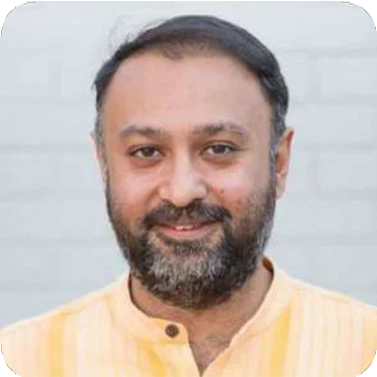
Mandeep Tiwana
Secretary General, CIVICUS