Working Group 2: Reinforcing Democratic Norms through Regional Mechanisms
Led by the European Democracy Hub, this Working Group examined how regional organisations in the Americas, Africa, Asia and Europe support democratic governance. It assessed their mandates, political commitments and practical tools in areas including electoral integrity, civic and digital rights, anti-corruption, the rule of law and responses to constitutional breakdown. The report highlights the value of regional action, which can bring greater legitimacy and closer knowledge of local political contexts, while also recognising the constraints created by political divisions, limited resources and the presence of non-democratic governments within regional organisations. Its recommendations include stronger democracy funding, more effective electoral missions, greater support for young democratic actors and civil society, and closer cooperation and learning across regions.
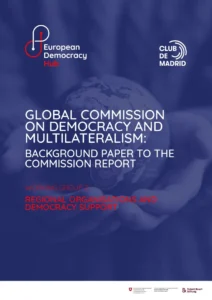
Download the Working group report
Scope
The Working Group on Regional Organisations and Democracy Support deliberated on the conditions under which regional mechanisms have responded effectively to democratic deterioration, as well as cases where limited political will or institutional constraints have undermined timely action, and produced a report presenting its conclusions.
In principle, regional organisations offer several advantages in defending democratic norms, and most have formal commitments and mechanisms to do so. The report assesses the evolution of these commitments in the Americas, Africa, Asia and Europe. Rather than covering every regional organisation, it focuses on those with the most influence among their members and the most developed democracy toolboxes. Particular attention is given to the Inter-American Democratic Charter, the African Union’s constitutional order provisions, and the European Union’s rule of law instruments, including Article 7 procedures and the conditionality mechanism linked to budgetary transfers.
The report draws out the strengths and weaknesses of Member States’ use of regional bodies, and considers how regional action can connect with other dimensions of multilateralism including engagement with civil society, parliaments and subnational actors, and global multilateral institutions. It concludes with reflections on how Member States might better use regional organisations to improve democracy support.
Institutional Lead
European Democracy Hub is a policy-oriented analytical center, launched in 2021 as a joint initiative of Carnegie Europe and the European Partnership for Democracy (EPD). It convenes analysts, policymakers, and practitioners to conduct data-driven research, generate policy insights, and explore democratic innovations and challenges across Europe and globally. It supports regional democracy efforts by producing comparative analysis, convening practitioners, and informing strategic responses to democratic backsliding.
Recommendations
Thematic recommendations
- Establish dedicated, ring-fenced democracy funds in each regional organisation for civic freedoms, anti-corruption, the rule of law and digital rights, ideally financed from within each region to strengthen legitimacy
- Upgrade electoral missions through more funding, flexible long-term deployment, stronger follow-up (including mediation between rival parties), digital expertise and better security for observers
- Support youth participation through Youth for Democracy initiatives across regional blocs, focused on Gen Z mobilisations and leadership training for civil rights and core freedoms
- Move beyond technocratic digital regulation towards civic education and new, region-specific democratic practices enabled by technology
- Strengthen civil society scrutiny through systematic yearly reports evaluating each organisation’s democracy commitments, backed by funded advocacy campaigns
Wider political approaches
- Develop subregional clusters of like-minded states to circumvent blockages at the regional level, a model the report calls “plurilateral regionalism”
- Build a cross-regional network of civic actors to identify best practices, especially on democracy clauses “with teeth” and anti-corruption strategies
- Set up regular security and democracy forums in each regional body, addressing transnational crime and rapid reaction mechanisms for democratic crises
- Convene a group of regional organisations within the UN to connect regional and global democracy work
- Fund an international initiative to explore region-specific models of democracy and bring them into regional organisations
Leads and members
 Lead
Elena Viudes Egea
Research Assistant, European Partnership for Democracy (EPD) (European Democracy Hub)
 Lead
Richard Youngs
Senior Fellow in the Democracy, Conflict, and Governance Program at Carnegie Europe (on behalf of European Democracy Hub)
Nicolás Albertoni
Former Deputy Minister of Foreign Affairs, Uruguay
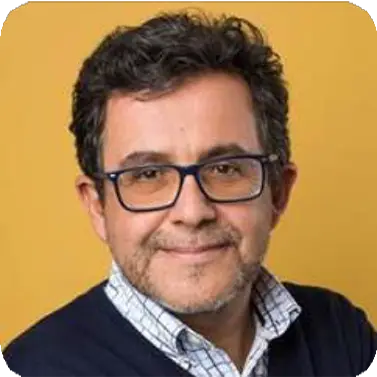
Javier Ciurlizza
Regional Director for the Andean Region, Ford Foundation
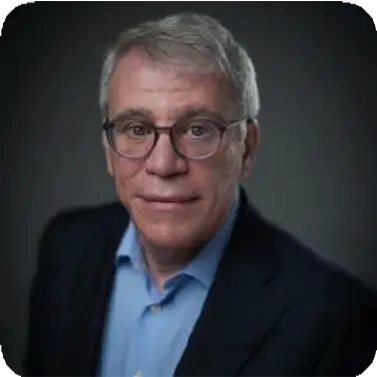
Carlos Closa Montero
Vice President for Organization and Institutional Relations, Research Professor, Spanish National Research Council
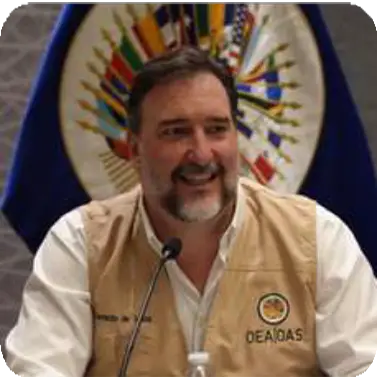
Gerardo de Icaza
Director, Department of Electoral Cooperation and Observation (DECO), Organisation of American States

Dina Fakoussa
Senior Project Manager for Global Issues, Robert Bosch Foundation
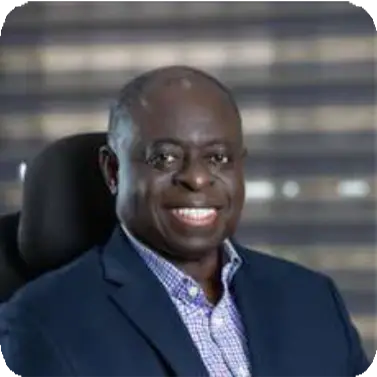
Emmanuel Gyimah-Boadi
Co-Founder and Former CEO of Afrobarometer

Maiko Ichihara
Professor at the Graduate School of Law and the School of International and Public Policy, Hitotsubashi University
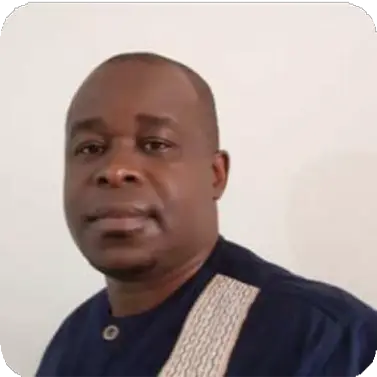
Gram Matenga
Regional Head of Programmes for Africa and West Asia, International IDEA
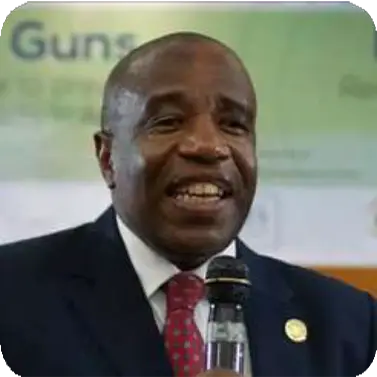
Khabele Matlosa
Former Director, Department of Political Affairs, African Union Commission, African Union
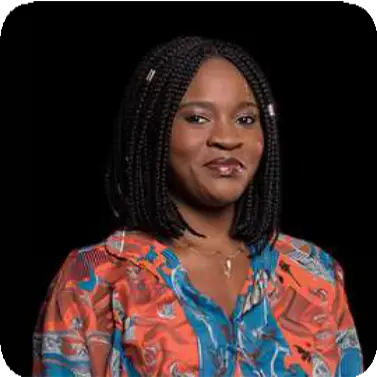
Farida Nabourema
Executive Director of the Katutu Civil Rights Center
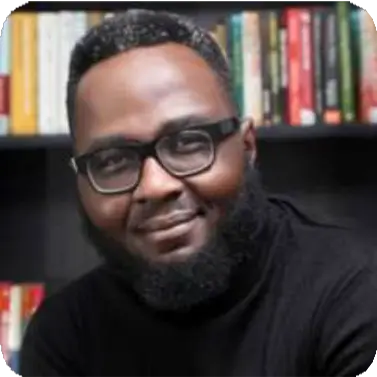
Dapo Oyewole
Secretary General, Conference of Speakers and Presidents of African Legislatures
 Content Director
Ted Piccone
Content Director of Global Commission on Democracy and Multilateralism & Club de Madrid Advisor
Dinna Prapto Raharja
Executive Director of Synergy Policies
Niranjan Sahoo
Senior Fellow, Observer Research Foundation